The Best Time of Year to Clean Your Gutters in Cleveland
Knowing that gutters need cleaning is one thing. Knowing exactly when to schedule it is another. Clean too early in the fall and you’ll likely be doing it again a few weeks later once the rest of the leaves come down. Wait too long into winter and you’re chipping ice off the gutter edge instead of scooping out leaves. Cleveland’s seasonal patterns give homeowners a fairly predictable window to work with, and lining up a cleaning schedule with that window tends to produce far better results than picking an arbitrary date.
Late Fall: The Most Important Cleaning of the Year
The single most important cleaning of the year happens in late October through mid-November, after the majority of leaves have fallen but before the ground freezes solid. This is the window that matters most for the best season for gutter cleaning in Cleveland, since it determines whether your gutters can handle the snowmelt and ice that follow over the coming months without backing up. A gutter system that’s clear heading into winter is far less likely to develop the kind of ice dam that pushes water back under the roofline.
Timing this cleaning correctly means watching the trees rather than the calendar. Depending on the year, a warm fall can push peak leaf drop later than usual, while an early cold snap can speed it up. Waiting until most of the leaves are down, rather than cleaning on a fixed date every year, tends to get better results.
Early Spring: Clearing Out Winter’s Leftovers
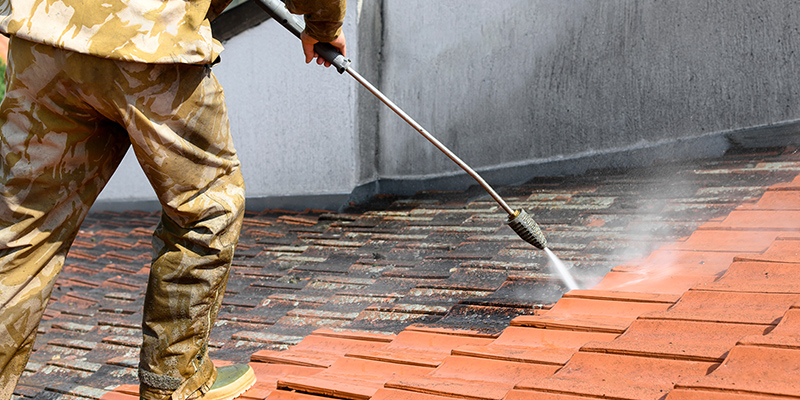
A second cleaning in March or early April clears out whatever accumulated over the winter months, including grit washed off asphalt shingles, small branches knocked loose by wind and ice, and any debris that blew in before the ground froze. This spring cleaning also doubles as a useful inspection opportunity, giving you a chance to check for anything winter weather may have damaged, like a loosened hanger, a slightly sagging section, or a downspout that’s come detached.
Spring cleanings are sometimes overlooked because the debris buildup isn’t always as visually obvious as a gutter packed with fall leaves. Even so, skipping it can leave gutters starting the year already partially clogged heading into the next round of spring rain.
Why Summer Cleanings Are Sometimes Necessary
Homes with heavy tree cover, particularly from maples, oaks, or pines, may need a mid-summer check in addition to the standard fall and spring cleanings. These trees drop seed pods, catkins, and needles throughout the entire growing season rather than concentrating their shedding in autumn, which means a home surrounded by them can accumulate a surprising amount of debris by midsummer even without a single leaf falling. A quick check in July or August can catch a smaller buildup before it turns into a bigger problem once fall arrives on top of it.
What to Avoid
A few timing mistakes come up often enough to be worth calling out directly. Cleaning too early in the fall, before all the leaves have dropped, means paying for a service (or spending a Saturday) that will likely need to be repeated within a few weeks. On the other end of the calendar, waiting until after the first snowfall makes the job both harder and riskier, since ice on the roof and gutters significantly increases the chance of a slip, whether you’re doing the work yourself or hiring it out.
Splitting the difference and scheduling around actual seasonal conditions, rather than a specific date every year, avoids both problems.
Lining up a gutter cleaning schedule with Cleveland’s natural seasonal rhythm, late fall, early spring, and a summer check for homes under heavy tree cover, tends to produce the best results for keeping a home protected year-round.